The music industry can be a bit like a washing machine.
This was the first line of my lecture style presentation and, as I spoke it, I felt myself slip back into the days I spent miking up TEDx speakers, the last person they’d see before stepping into the lights. Most were nervous. Many needed silence. Some were convinced their minds would go blank. I recognised that if I asked, “What’s your first line,” it would help steady them. They’d reply quietly, almost tentatively. Minutes later, I’d hear that same line through the stage doors, the speaker now amplified, grounded, calmed. It reminded me how powerful a single line can be when someone finally claims it out loud!
It was an energising start to the conference. I rushed in early morning and was immediately met with a warm welcome from the reception team, “Oh, you’re the DJ!” and the unmistakable comfort of fresh coffee drifting through the foyer. And honestly, the best conversations do happen over coffee. No, seriously. There are scientific papers on this, including The Communicative Effects of a Cup of Coffee on Dyadic Conversation (Yokomitsu, 2019), which explores how something
as simple as sharing a cup can deepen rapport and ease communication.
But today, I’m here to talk about music, and what a fantastic opening it was. The keynote, delivered by Becca Barrett and Lucinda Allen from Voice Unlocked set the tone beautifully. When Touch Teaches: Consent, Power, and Creative Practice was a powerful, thoughtful exploration of how creative work intersects with bodily autonomy, relational ethics, and the subtle choreography of trust. It was the kind of talk that stays with you, the kind that reshapes how you listen, how you collaborate, and how you create. It was a perfect opener because it made the space instantly feel safe and set the standards for the room.
Their presentation style was so warm and joyful that I genuinely felt as if I were in a voice class with them. It also brought back memories of my own early experiences in community singing and dance spaces. Being AuDHD, I didn’t always know what certain instructions meant or how to “embrace my core,” and some of the physical cues used in teaching were hard for me to interpret. Hearing Barrett and Allen speak so clearly about consent made me realise how important it is that creative teaching is done with care, clarity, and respect for everyone in the room. And to be totally honest, it even brought tears to the eyes of the person sitting next to me.
It was interesting to hear how dramaturgy can be applied to music production in Patricia Duffy’s talk, Being Serafina: How dramaturgy can amplify human perspectives in songwriting. I’d always associated dramaturgy with theatre, so hearing it framed within songwriting felt like being introduced to an entirely new medium a different way of shaping music, story, and perspective. Another notable mention was Grace Goodwin’s presentation: GENIE: Spreadsheets as Activism. Even the title alone piqued my interest. I loved hearing about GENIE Gender Equality Networks in Europe, an online database and community project founded by a PhD researcher and session drummer. When I spoke to Goodwin (over coffee, of course), it became clear just how much care and attention had gone into the project. From its awareness of how different communities choose to identify themselves, for example, the use of terms like FLINTA in Berlin, to the way the platform holds space for varied cultural and political contexts, everything felt thoughtfully built. With the crossovers in our research, I was delighted to fall into a warm, generous conversation: no gatekeeping, no guardedness, just “oh, this person is great” and “this is a brilliant read.” It felt like the kind of academic activism that grows through connection rather than competition. I am excited to read the paper!
The second day brought the highly anticipated presentation from Vick Bain: “Sisters Are Doin’ It For Themselves”: Sister Organisations Feminist Grassroots Initiatives in a Misogynistic Music Economy. I honestly have no words. Just awe. Another pair of honourable mentions go to Metka Potočnik and Shelina Brown, whose presentations added even more texture to the day. Metka Potočnik’s talk, Authorship and Authority in Music Copyright: the Girlfriend Problem, opened a sharp and timely conversation about how we understand authorship and creative labour. It left me thinking about the invisible hands behind so much music, and how copyright frameworks often fail to recognise the full spectrum of contribution from sampling to writing.
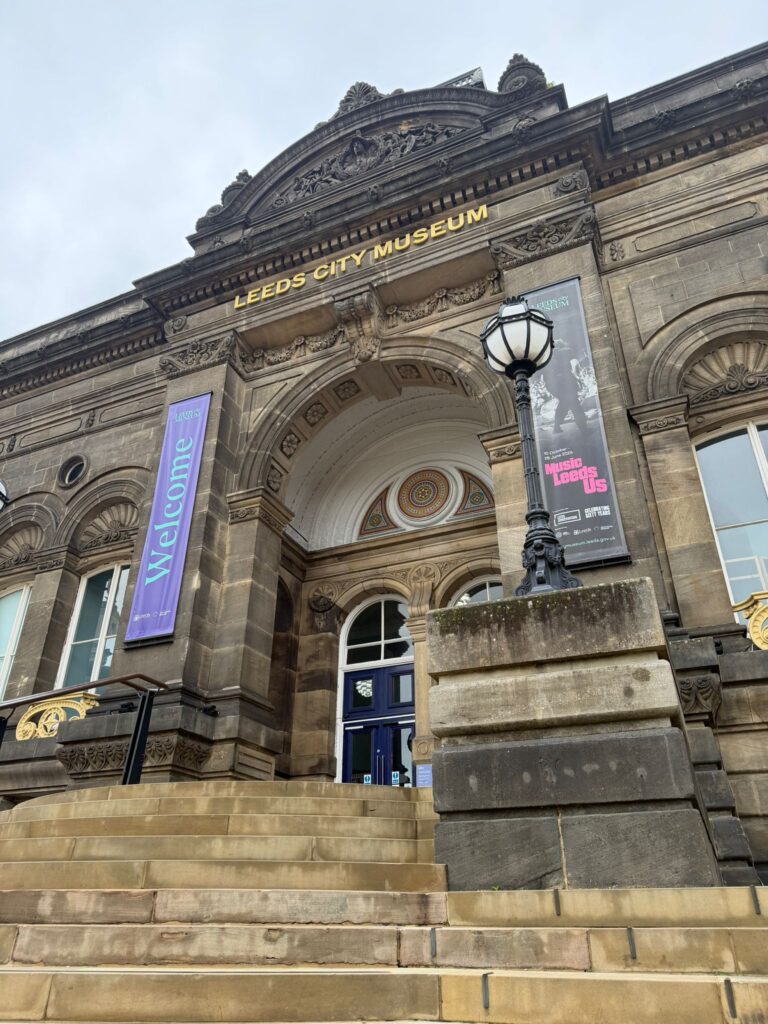
And of course, Shelina Brown: Scream Against the Sky: Yoko Ono’s Voice at the 1969 Toronto Rock ’n’ Roll Revival. Not only did Brown offer an articulate and exciting piece of research through a beautifully constructed case study, but they also treated us to some electrifying track excerpts that filled the Albert Hall–inspired Leeds Museum auditorium. Hearing Yoko Ono’s voice in that space contextualised, analysed, and celebrated was a thrill. It made me even more excited for their future work. And doing all of this in a Kate Bush T-shirt? Iconic.
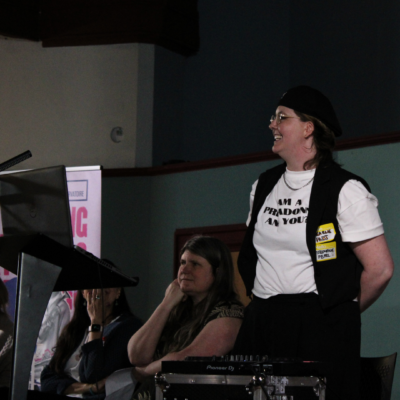
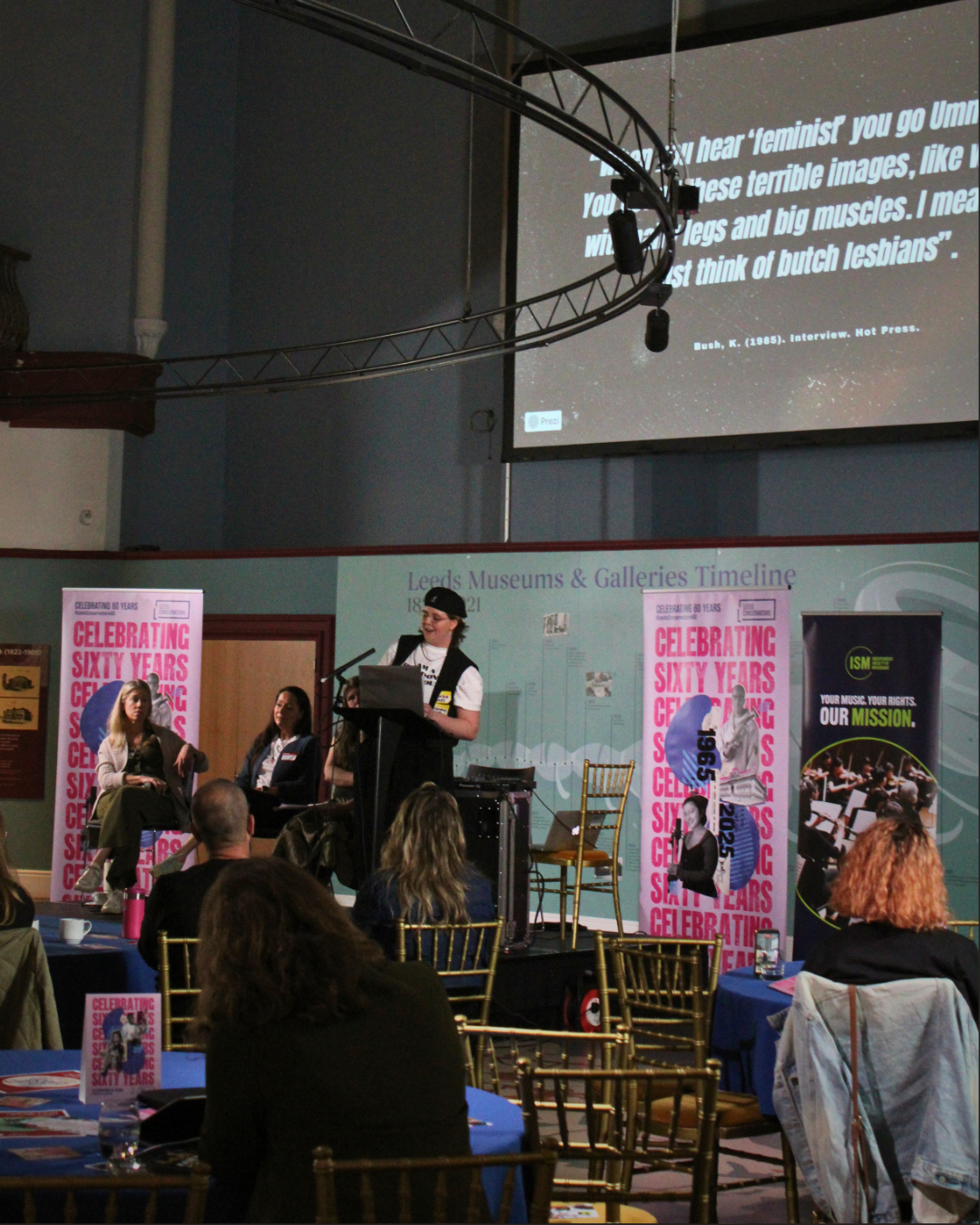
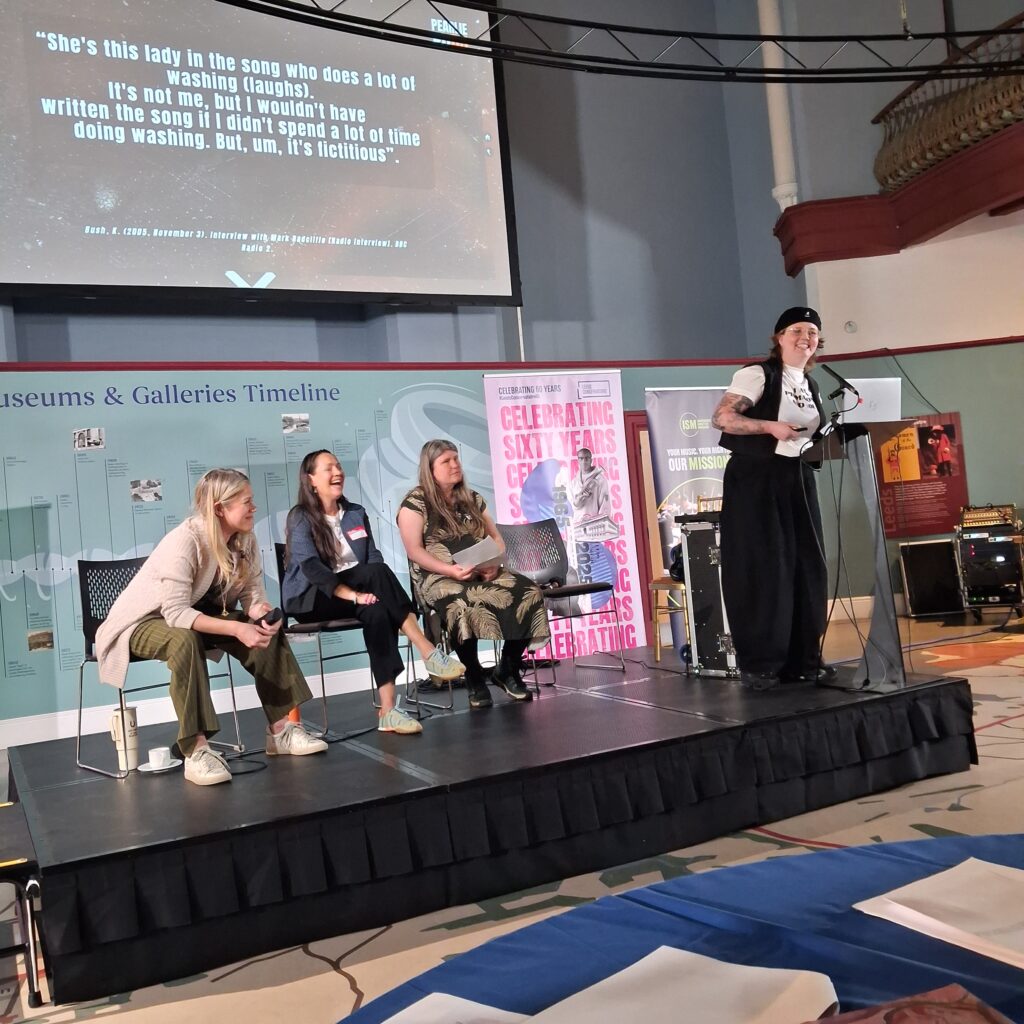
So, there I was, repeating my first line: “The music industry can be a bit like a washing machine. I’m sure many of us will agree.” I heard the fragility in my own voice. But as I looked out at the audience of the room full of gender studies, scholars, campaigners, musicians, artists, practitioners, and I realised this was probably one of the most supportive rooms I’d ever speak in. A room that understood the spin cycle. A room that had lived it. In the warm room. I repeated the line again, this time with the safety of collective knowing: “The music industry can be a bit like a washing machine, with artists spun around to fit trends. Kate Bush’s use of domestic space is a radical act of female agency in a male dominated popular music industry. When the media and fans demanded more from her personal life, she responded with ‘Mrs Bartolozzi’, a track where she sings “washing machine” repeatedly.”

As a DJ, it always dawns on me that one of the most striking statistics from the UK’s Musicians’ Census found that women make up only 29% of DJs (Help Musicians & Musicians’ Union, 2023). What was incredible about the conference was that it created a space where many of us recognised that we didn’t need to reference a statistic to justify our presence. Speakers were there to talk about what excites them about their research, their communities, their impact, and how to bring people of all genders into the conversation. Unlike when I was working in a city pub alongside my MSc, being told by a manager that “music didn’t need women,” I didn’t have to start with the basic facts. I was fired from that pub on Boxing Day for being “too feminist.” I quote him in my PhD and MSc papers still now (Pearl, 2025).
As a working-class, first-generation, estranged and lesbian woman with AuDHD and dyslexia, I tick every box. Perhaps I fell, into research because I was searching for a prototype. How do women survive? How do we stay intact inside an industry that spins us, stretches us, and still expects us to smile for the camera, and then do the washing? When I experienced young-adult homelessness, I carried around two things: music and the washing. Shortly after that, I learned to DJ. Kate Bush, therefore, is perhaps a prototype for me; a blueprint for how to survive the spin cycle of a male dominated industry. She literally invented her own tools, including the wireless headset she fashioned from a coat hanger, to move, breathe and perform on her own terms. She is a masterclass in female authorship, a reminder that survival in this industry often requires invention, resistance, and a refusal to be washed out.
I hope this blog reminds you to do your washing.
“It’s so important to me to do the washing, do the Hoovering”
Kate Bush, 1979, Melody Maker

Reference List
Bush, K. (2005). Mrs Bartolozzi. On Aerial [Album]. EMI Records.
Bush, Kate. In the Warm Room. On Lionheart, EMI Records, 1978.
Help Musicians, & Musicians’ Union. (2023). Musicians’ census 2023: A comprehensive picture of the UK’s music creators.
Yokomitsu, K. (2019). The communicative effects of a cup of coffee on dyadic conversation.